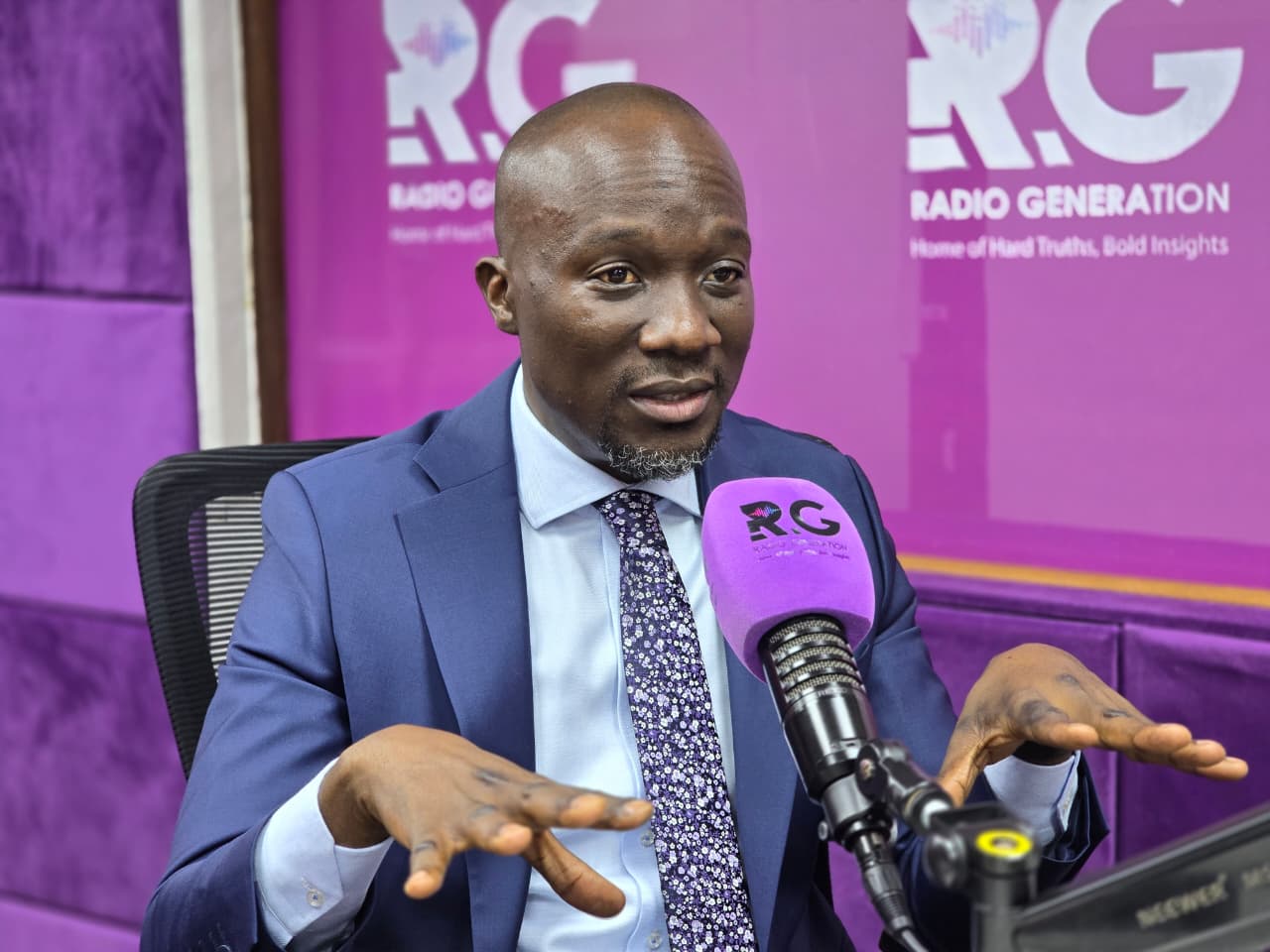
Kenya’s political stage is likely to see alliances and shared power arrangements in 2027, according to Dennis Onsarigo, former Press Secretary for Raila Odinga’s 2022 campaign.
In a Radio Generation interview on Wednesday, he argued that the country’s shifting voter base, ODM’s internal conflicts, and the legacy of Raila Odinga will redefine the race for leadership.
The Orange Democratic Movement has been struggling to maintain unity since the death of its long-time leader in late 2025. Tensions flared in February 2026 when the party’s National Executive Committee (NEC) dismissed Secretary General Edwin Sifuna over alleged indiscipline and procedural breaches. Catherine Omanyo’s appointment as his replacement intensified the divisions.
Meanwhile, a Political Parties Disputes Tribunal temporarily blocked Sifuna’s removal, leaving him in position while the case unfolds.
The party split pits the Oburu Oginga faction, which supports talks with President William Ruto’s United Democratic Alliance (UDA), against Sifuna’s Linda Mwananchi group, which wants ODM to maintain its own presidential bid and honor the late Odinga’s political heritage.
Rival rallies in Siaya and other parts of Western Kenya have highlighted how deep these disagreements run.
Onsarigo said no single party will likely win power alone, noting that governance requires collaboration among parties with shared goals and visions that resonate with ordinary citizens.
He reflected on Kenya’s early multiparty era: “If you look at Ford as it was formed, you’re talking about multi party era of 1992, all those groupings that formed Ford, it was a coalition.” He added, “We didn’t see it, but those are the makings of what we now have, because we had just opened up the door for multiplicity of political parties, and with the time, they multiplied.”
Discussing the vacuum left by Raila Odinga’s death, Onsarigo said: “Baba left a very big vacuum, and people have to fill it.” He explained that Oburu initially assumed a caretaker role: “If you look at how Oburu’s positioning began, it was a caretaker position. Made perfect sense.” He added, “How do you mourn the departed? Yes, give time for emotions to quieten down, and then use the party mechanisms to try and determine who is going to be the successor.”
Onsarigo emphasized that Oburu has been upfront about his role. “Oburu has said, I’m a caretaker leader for this grouping, so he’s not seeing himself as party leader. Beyond that, he has said it. He has said he’s too old to be there. He has said this party needs young people.”
While acknowledging tension within ODM, he warned that political ambitions will clash.
“You have people who are out to retain power(Kenya Kwanza government) by all means necessary, and you have another grouping that wants power by all means (Opposition). So these forces will clash at some point, and people will have to sit in a room and essentially share power.” He cautioned that internal processes could prolong the standoff: “We can be in this limbo for a long time and the party will still continue functioning.”
Onsarigo said a united ODM would benefit President Ruto, but a divided party could create challenges.
“A united ODM will have been a very good thing for President Ruto, and a disagreed ODM is going to be problematic for him,” he said. He added that the President appears to be consolidating support in areas historically loyal to Raila Odinga: “President Ruto is trying to inherit Raila Odinga’s bases.”
On unconventional alliances, Onsarigo said: “Politics is the art of the possible.” He urged leaders to remain in touch with public sentiment, asking whether politicians truly understand the lives of ordinary Kenyans.
He also noted that governments tend to lose popularity over time: “Whenever you have a government coming being sworn into positions of power in this country, guarantee they are going to be unpopular within two years. Guarantee it.”
As parties reposition and new coalitions emerge, Onsarigo said voters will ultimately determine the outcome. The upcoming months will test whether leaders can navigate internal rivalries and respond to citizens’ expectations effectively.




























Comments
Sign in with Google to comment, reply, and like comments.
Continue with Google